

Few purchases carry the emotional resonance and financial security of pure gold. Yet, one of the most frequent questions our patrons ask is: "Should I choose 22 Karat or 18 Karat gold?" Understanding the metallurgy behind these designations empowers you to choose the perfect metal for your intended lifestyle and aesthetic.
Understanding Karatage: Pure Gold vs Precious Alloys
In its natural 24 Karat state, pure gold is 99.9% pure. However, it is exceptionally soft—malleable enough that a ring made of 24K gold would easily deform during everyday chores. To impart structural rigidity, jewelers blend pure gold with noble metals such as copper, silver, and zinc.
| Karat | Purity Percentage | Durability | Ideal Jewellery Type |
|---|---|---|---|
| 24K | 99.9% Pure | Very Soft | Investment Bullion, Gold Coins |
| 22K | 91.6% Pure | Medium Hardness | Traditional Chains, Temple Jewellery, Bridal Harams |
| 18K | 75.0% Pure | High Hardness | Diamond Engagement Rings, Tennis Bracelets, Daily Wear |
| 14K | 58.3% Pure | Very High | Activewear, Minimalist Western Accessories |
When to Pick 22K Gold
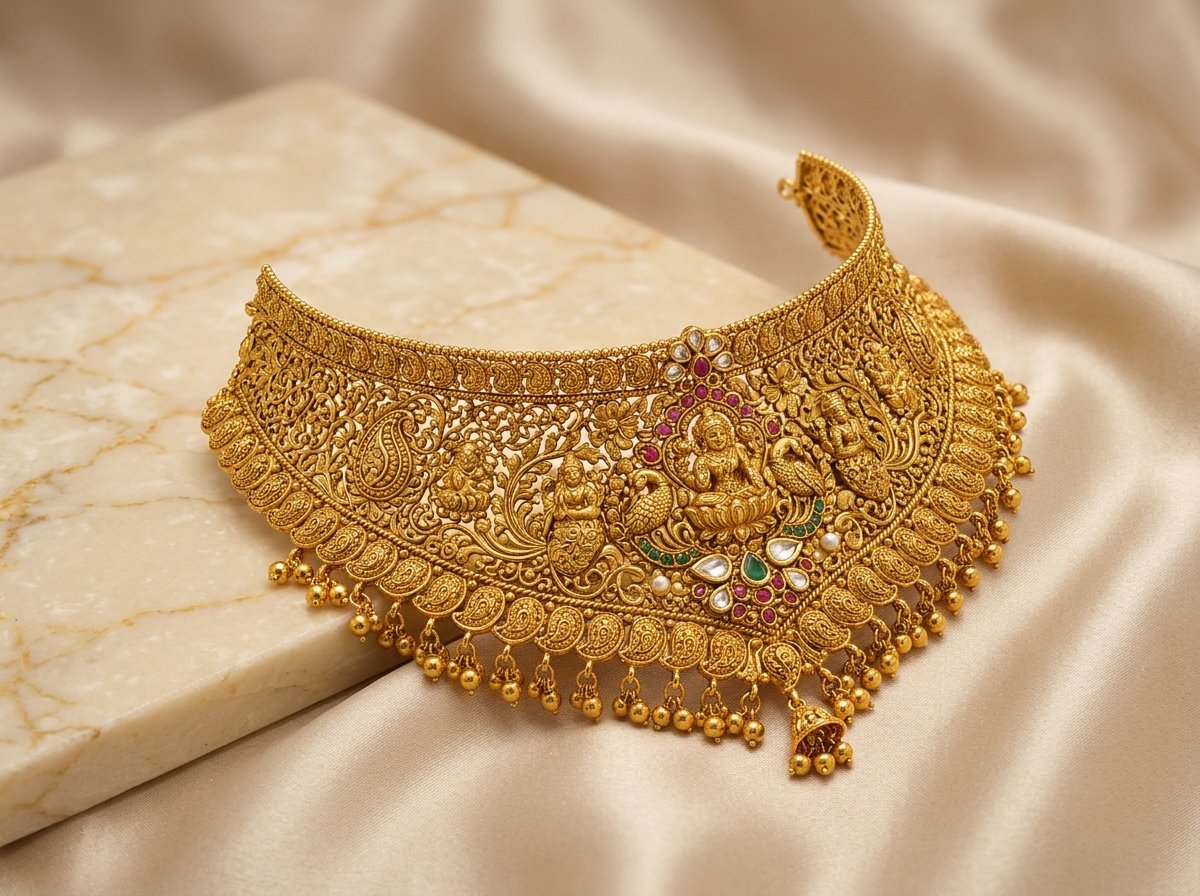
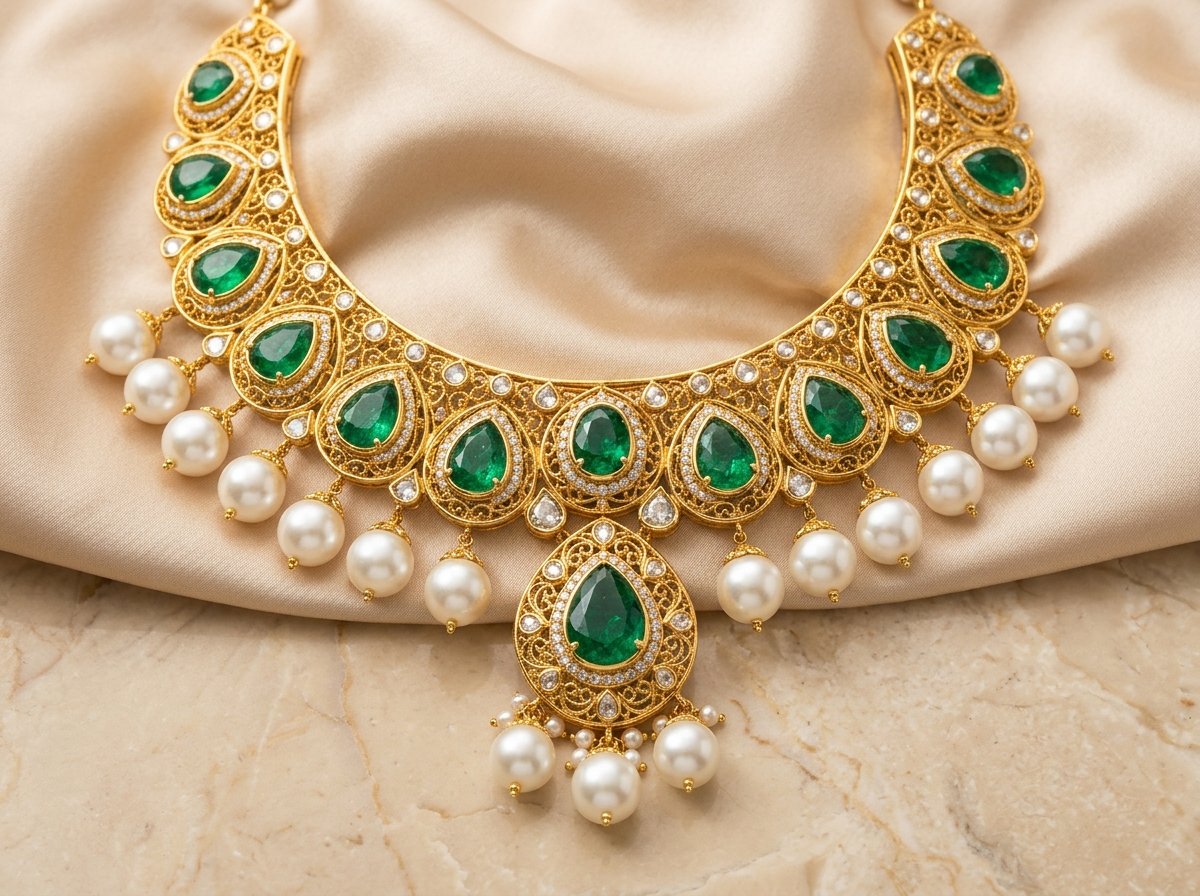
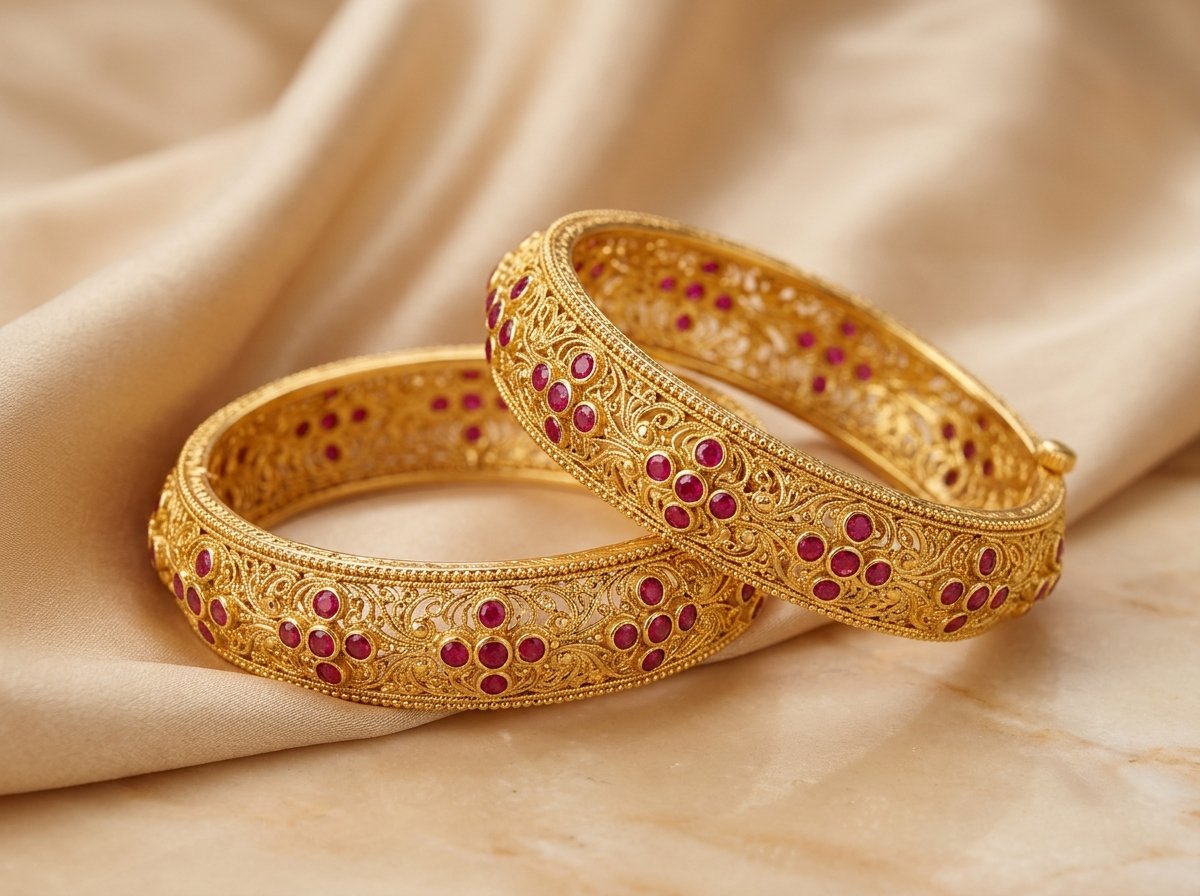
If you cherish the rich, unmistakable warm luster of traditional Indian jewellery and view your pieces as wealth preservation, 22K gold is the gold standard. Its 91.6% purity retains maximum bullion value and exhibits that radiant, deep yellow glow that makes bridal necklaces and heavy wedding bangles breathtaking under celebration lights.
When 18K Gold is the Superior Choice
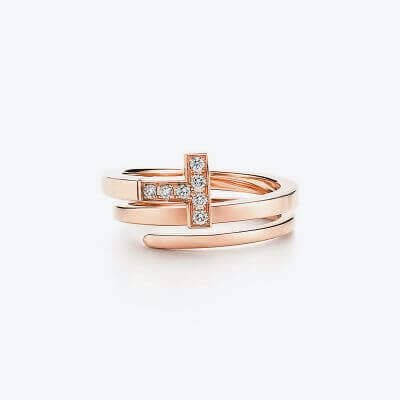
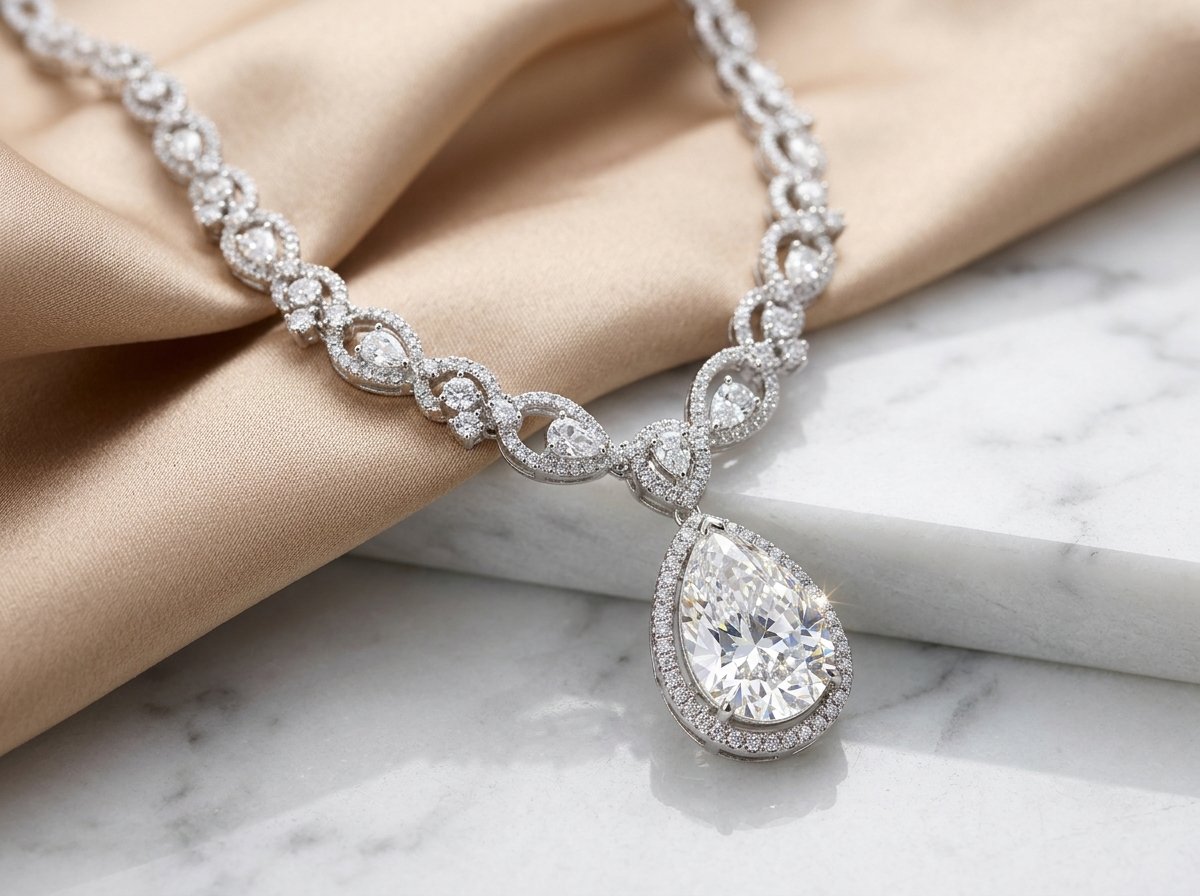
For diamond-studded jewellery, 18K gold is universally preferred by master craftsmen worldwide. Diamonds require tight, rigid prongs to keep each precious stone secure through decades of movement. The alloy composition of 18K gold provides the tensile strength needed to hold micro-pavé and solitaire stones securely without loosening.
"Always check for certified purity and clear fineness marks. Reputable fine jewellers provide laser-engraved hallmarks that guarantee authentic purity in every milligram."— Rajesh Varma, Master Goldsmith
Patron Conversations & Insights (12)
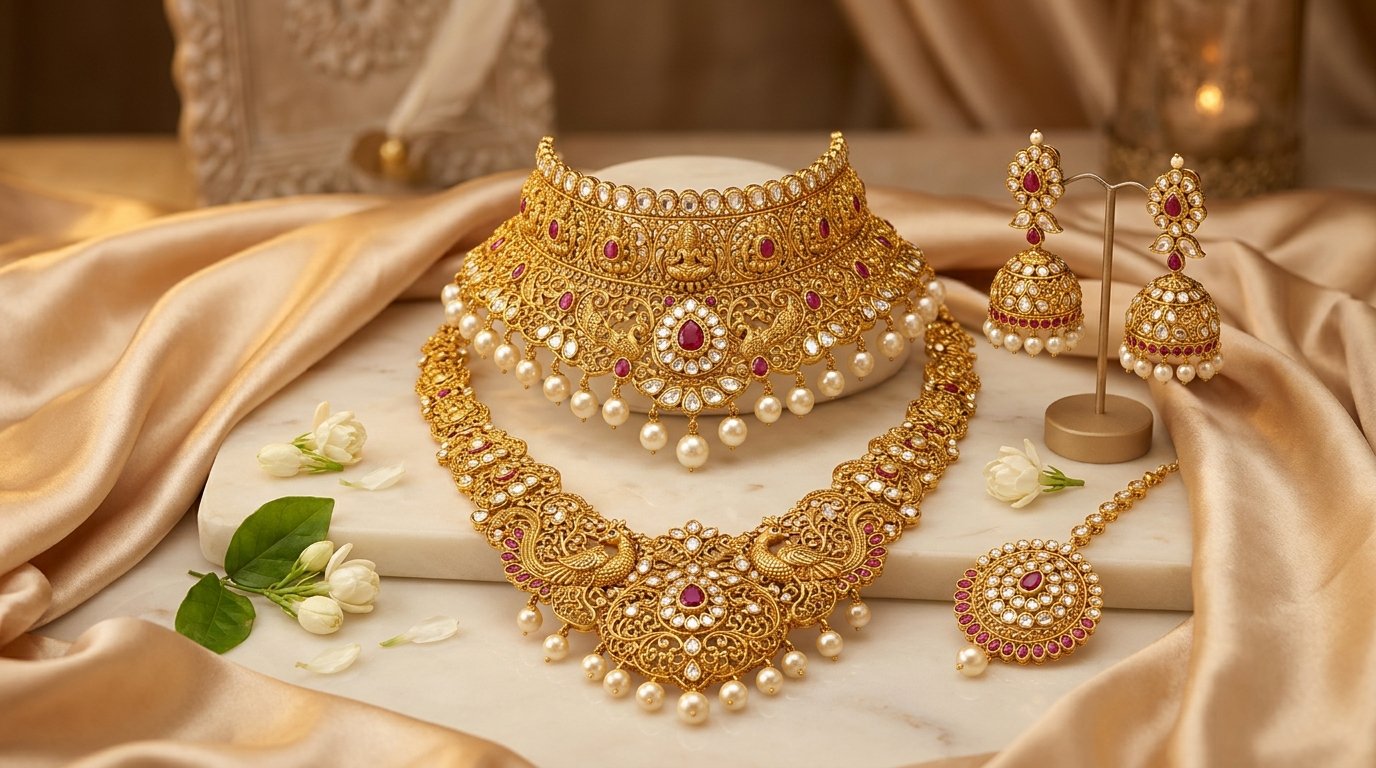
The insight on pairing an antique Nakashi choker with a longer Rani Haar was immensely helpful for my wedding planning. The contrast with our Kanchipuram silk turned out majestic!
Brilliant explanation of 22K vs 18K gold alloys. Many buyers assume higher karat is always better without realizing why 18K is structurally required for secure diamond prongs.
Thank you for highlighting that toothpastes can damage mirror-finish gold! I have switched exclusively to the lukewarm soap bath routine described here.
Share Your Thoughts
Have a question about fine jewellery, styling, or custom bridal bespoke commissions? Leave your comment below.